Best Investments to Protect Against Inflation Risk
Surmount Blogs
Discover the best investments to protect against inflation and build a portfolio that holds up in any market.

Best Investments to Protect Against Inflation Risk
Prices feel like they keep creeping higher — insurance, groceries, housing, healthcare — even when headline inflation numbers say things are cooling off. If you've felt that disconnect, you're not imagining it. Many investors are asking the same question right now: what are the best investments to protect against inflation, and how do you actually build a portfolio that can withstand it?
The good news is that inflation isn't a new problem. Investors have been navigating it for decades, and there's a well-understood playbook for protecting your purchasing power. Let's walk through it.
What Makes an Asset an Inflation Hedge?
Not every investment reacts to inflation the same way. Some inflation hedge assets hold their value — or even gain value — as prices rise, while others get eroded by it.
Generally, a strong inflation hedge shares a few traits:
Pricing power — the ability to pass rising costs on to customers
Limited supply — scarcity that keeps value from being diluted
Real, tangible value — not just a promise denominated in currency
Historical resilience — a track record through past inflationary periods
Cash, by contrast, is one of the worst places to sit during inflation. Every year prices rise, the purchasing power of cash sitting in a checking account quietly shrinks.
That's exactly why finding the best investments to protect against inflation matters — it's not about chasing returns, it's about preserving what you already have — which is part of why more investors are exploring real assets as a broader defensive strategy, not just as an inflation hedge but as protection against multiple forms of economic disruption.
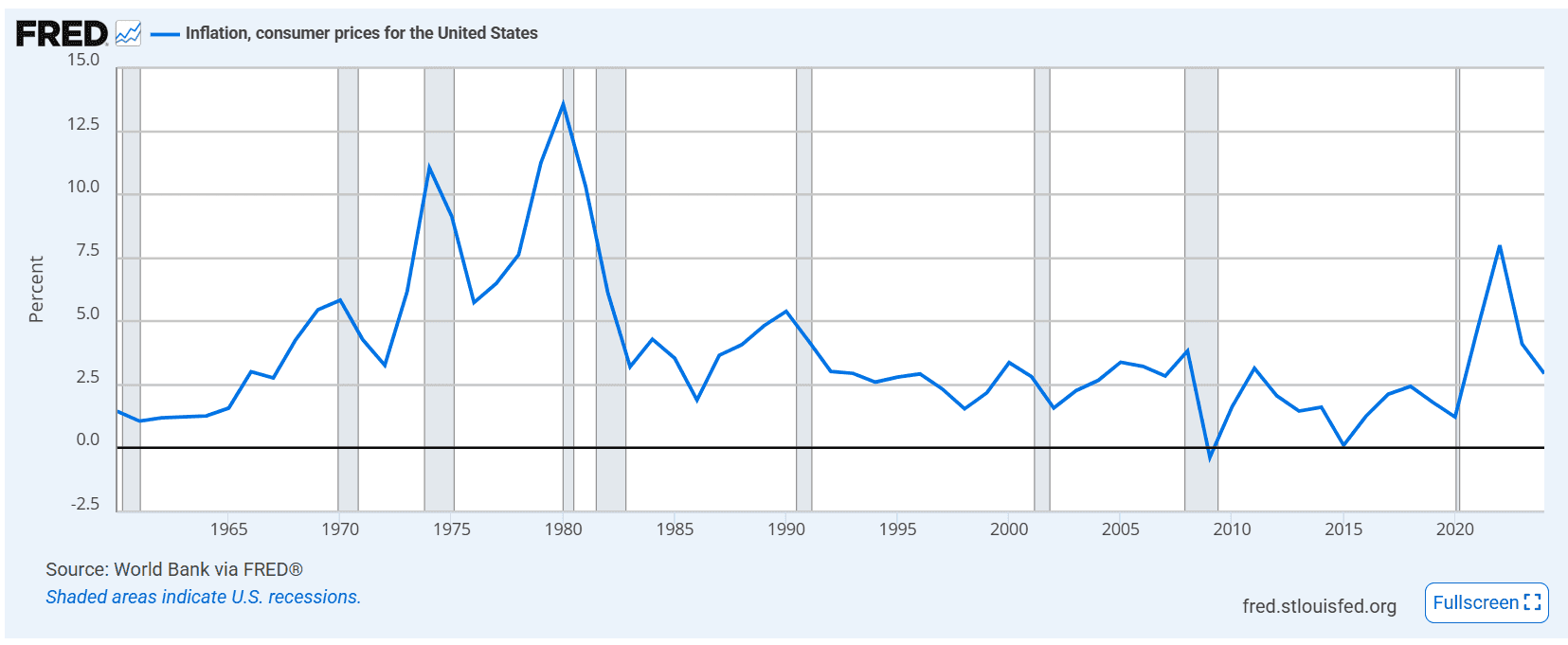
Assets That Perform Well During Inflation
When you look at assets that perform well during inflation, a pattern emerges: they tend to be tied to real, physical, or essential value rather than fixed cash flows.
Here are the main categories investors typically turn to:
Equities in pricing-power sectors — companies in energy, consumer staples, and healthcare that can raise prices without losing customers
Real estate — property values and rents tend to rise alongside inflation
Commodities — oil, agricultural products, and industrial materials often climb as input costs increase
Precious metals — gold in particular has a long history as a store of value
Inflation-linked bonds — government-backed securities designed specifically to adjust with inflation
Real Assets vs. Stocks During Inflation
A common debate among investors is real assets vs stocks inflation — which protects you better? The honest answer is that they play different roles. Real assets like real estate, commodities, and infrastructure tend to have a more direct relationship with inflation, since their value is tied to physical scarcity and replacement cost — a dynamic explored in more depth in our full breakdown of whether REITs are a good investment right now.
Stocks, on the other hand, can outpace inflation over the long run — but only if you're selective. Companies with weak pricing power or heavy debt loads often struggle when rates rise alongside inflation, while companies with strong margins and low debt tend to hold up much better.
The takeaway: a blend of both, rather than an all-or-nothing approach, tends to produce more consistent results.
TIPS and Other Inflation-Linked Bonds
Treasury Inflation-Protected Securities, or TIPS, are one of the more direct tools available. Their principal value adjusts with the Consumer Price Index, meaning your investment literally grows alongside inflation.
A few things worth knowing:
TIPS pay a lower base interest rate than standard Treasuries, since the inflation adjustment does some of the work
They're backed by the U.S. government, making them low-risk relative to other hedges
They tend to underperform when inflation is low or falling. For the official mechanics of how principal adjustments work, see TreasuryDirect's TIPS overview.
Commodities and Gold as Traditional Hedges
Commodities and gold remain the most historically cited inflation hedges — and for good reason. When currency loses purchasing power, hard assets with real-world utility or scarcity tend to hold their value. Gold in particular has centuries of history as a store of value during periods of currency debasement or economic uncertainty — though how you gain that exposure matters, as our comparison of gold stocks versus physical gold explains. According to the World Gold Council's research on gold demand trends, central bank accumulation has remained a persistent source of demand in recent years.
Broader commodities — oil, copper, agricultural goods — often rise simply because inflation itself is partly driven by rising input costs.
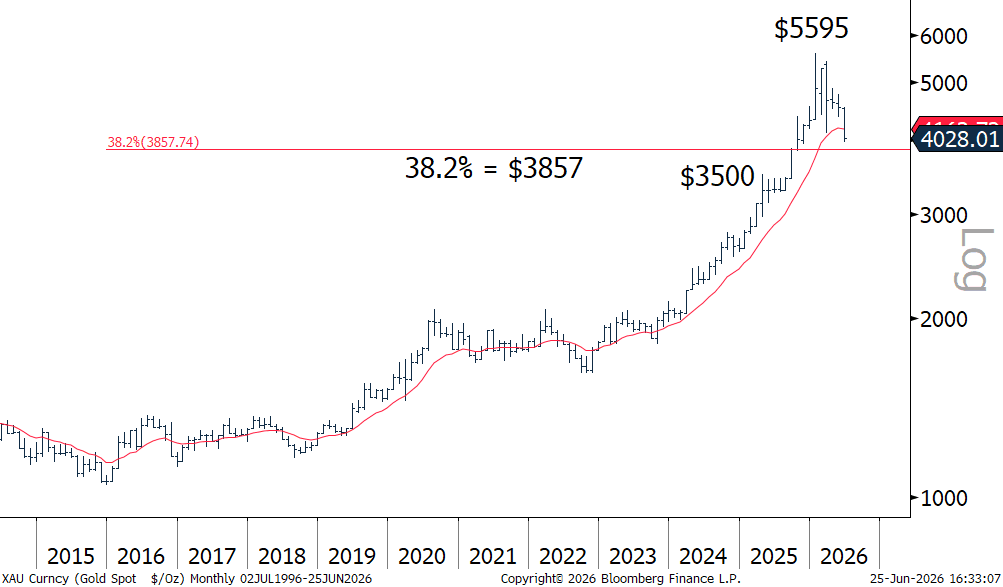
Building an Inflation-Resistant Portfolio
Knowing which assets help isn't the same as knowing how much of each to hold. An inflation-resistant portfolio typically blends several of these categories rather than betting everything on one.
A reasonable starting framework might include:
A core of pricing-power equities — the growth engine of the portfolio
A real estate allocation — for income and inflation-linked appreciation
A commodities or gold sleeve — as a direct hedge against currency erosion
Some TIPS or inflation-linked bonds — for stability and predictable adjustment
Regular rebalancing — since inflation dynamics shift over time, and yesterday's hedge may not be tomorrow's
That last point is often the hardest part for individual investors to execute consistently, especially since inflation and interest rate cycles move together — as we've explored in why tech stocks fall when rates rise — which is exactly where a systematic approach becomes useful. For broader guidance on portfolio construction, Vanguard's research on asset allocation is a useful reference point.
Why an Automated Investing Strategy Helps During Inflation
Manually tracking inflation data, rebalancing across asset classes, and adjusting exposure as conditions change is a lot to manage on your own — especially while also working a job, raising a family, or simply trying to enjoy life outside of spreadsheets.
This is where an automated investing strategy inflation-aware approach can help. Rather than reacting emotionally to headlines or trying to time markets, a rules-based strategy applies a consistent, pre-defined process — adjusting exposure based on data, not guesswork or gut feeling.
Instead of guessing whether today is the day to buy gold or shift into real estate, an automated strategy handles the analysis and execution for you, continuously and without emotion getting in the way. If you'd rather deploy $1,000 into a framework like this than pick individual assets yourself, our guide on where to invest $1,000 in 2026 is a useful next step.
Protect Your Portfolio Automatically: The Recession Resistant Strategy
Everything covered in this post comes down to one core idea: the businesses and assets that hold up best against inflation are the ones with real pricing power and durable demand. That's exactly the thesis behind Surmount's Recession Resistant strategy — and it's built to put that idea to work in your portfolio automatically.
Instead of trying to hand-pick individual staples, healthcare, or utility stocks and hoping you've chosen the right ones, Recession Resistant does the selection and rebalancing for you — systematically, and without emotional guesswork.
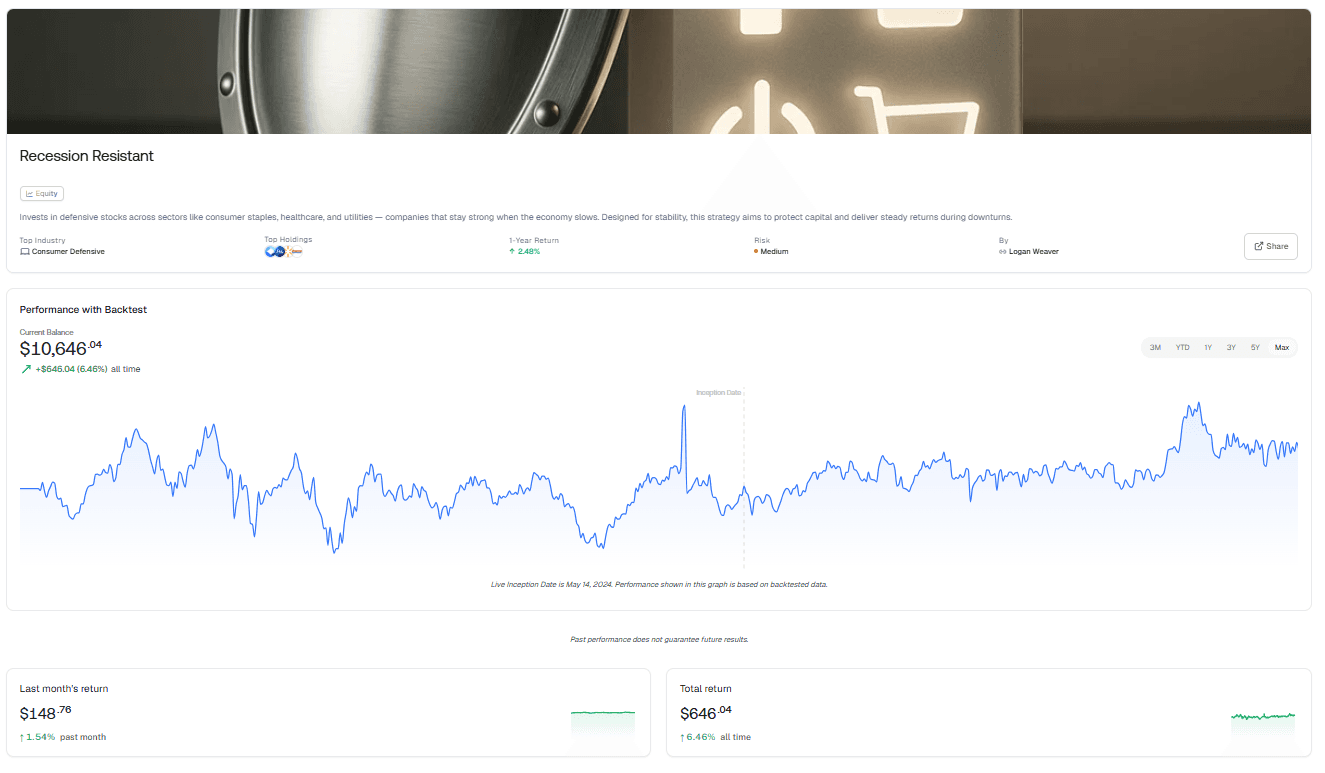
Why Recession Resistant fits this exact moment:
Built on pricing power — the strategy targets companies in consumer staples, healthcare, and utilities: the same sectors this post identifies as having the ability to pass rising costs on to customers without losing demand
Diversified by design — rather than betting on a single inflation hedge like gold or real estate alone, it spreads exposure across multiple defensive sectors, reducing the risk of any one asset class underperforming
Historically resilient during downturns — these are businesses people keep spending on regardless of economic conditions, which is precisely the kind of durable demand that holds up when purchasing power is under pressure
No manual rebalancing required — the strategy continuously monitors and adjusts allocations, so you're not stuck deciding when to shift into or out of defensive positions
Removes emotional decision-making — no second-guessing, no reacting to headlines about inflation data — just a consistent, rules-based approach doing the work in the background
You've just read the framework for protecting your portfolio against inflation. Recession Resistant is the systematic way to actually deploy it — without spending hours researching individual stocks or manually rebalancing every time market conditions shift.
Ready to put your portfolio on autopilot?
Deploy the Recession Resistant strategy to your Surmount portfolio today and let a disciplined, data-driven system handle the defense — so you don't have to.
Frequently Asked Questions
What are the best investments to protect against inflation?
A mix of real assets, pricing-power equities, and inflation-linked bonds tends to outperform relying on any single asset alone. Diversifying across these inflation hedge assets reduces the risk of one category underperforming.
Does gold still protect against inflation?
Yes — gold has historically served as a reliable store of value during inflationary periods, though it works best as one part of an inflation-resistant portfolio, not the only piece.
Are TIPS a good investment during inflation?
TIPS can be a solid, low-risk option since their principal adjusts directly with inflation, making them one of the more direct inflation protection strategies available.
What assets perform well during inflation?
Real estate, commodities, precious metals, and equities with strong pricing power tend to be the assets that perform well during inflation, since their value is tied to physical scarcity or the ability to raise prices.
Can an automated investing strategy help during inflation?
Yes — an automated investing strategy can continuously monitor conditions and rebalance exposure, removing the emotional decision-making that often derails manual inflation hedging.

Automate any portfolio using data-driven strategies made by top creators & professional investors. Turn any investment idea into an automated, testable, and sharable strategy.