Where to Invest $1,000 in 2026: Best Strategies Now
Surmount Blogs
Where to invest $1,000 in 2026? Discover the best investment strategies for beginners and pros alike.

Where to Invest $1,000 in 2026: Best Strategies Now
Why $1,000 Is More Powerful Than You Think
Most people underestimate what $1,000 can do. It won’t buy you a rental property or a hedge fund seat, but deployed correctly, it can be the foundation of a portfolio that compounds quietly for decades.
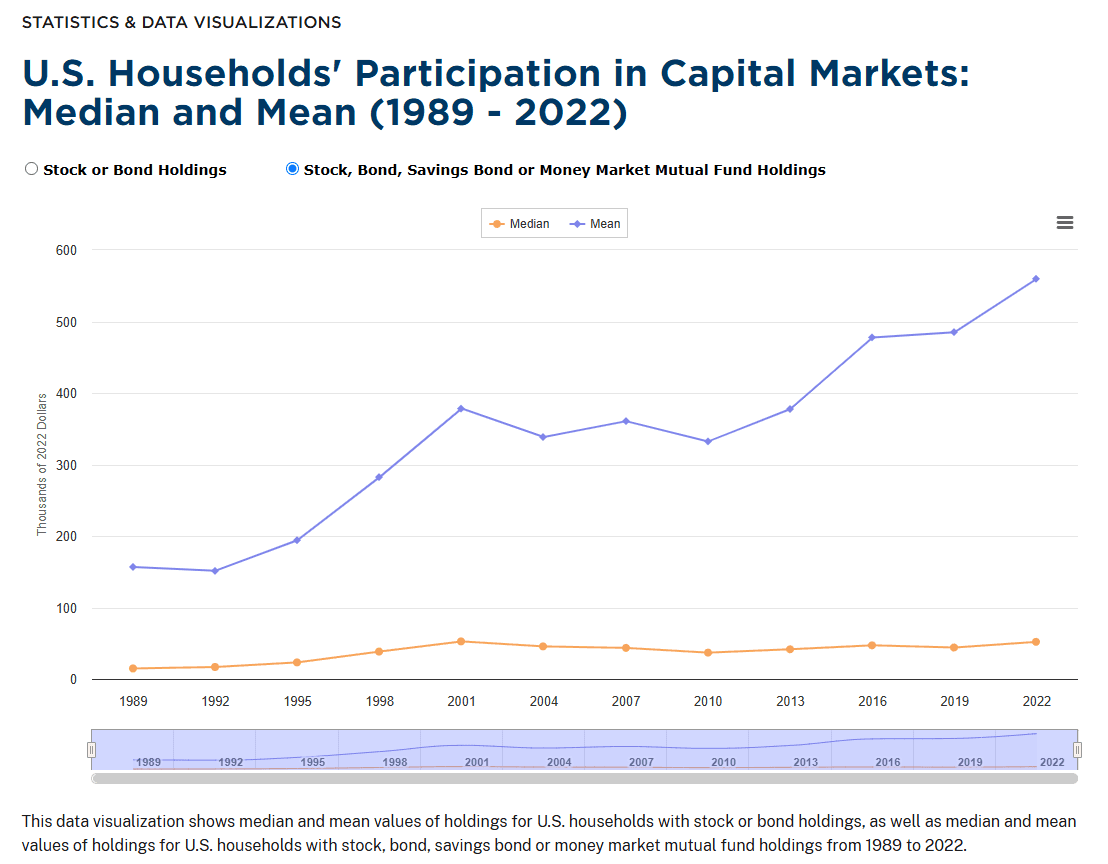
The median American household holds around $52,000 in stocks and bonds according to the SEC. That means a $1,000 addition isn’t trivial — for many investors, it represents a meaningful 2% boost to their entire portfolio. The question isn’t whether $1,000 is worth investing. It’s where to invest $1,000 in 2026 to make it work hardest.
Start With the Right Investment Mindset
Before picking assets, you need a framework. The biggest mistake new investors make is jumping straight to tickers without asking the right questions first.
Know Your Risk Tolerance Before You Deploy Capital
Are you investing this $1,000 for growth over ten years, or do you need stability because a recession feels close? Your answer changes everything. Most investors think they know the answer — but most people overestimate their risk tolerance until markets actually move against them. Aggressive investors might lean into high-growth ETFs or thematic strategies. Conservative investors will want income and stability first. Neither is wrong — mismatching your strategy to your temperament is.
Why a Diversified Portfolio for Beginners Beats Single Bets
Putting $1,000 into a single stock is a bet, not a strategy. Diversification across asset classes, sectors, and geographies is how you survive the inevitable bad quarters — though as we’ve covered before, diversification alone isn’t enough without the right risk framework underneath it. For most investors starting out, a diversified portfolio for beginners means owning exposure to multiple sectors through ETFs or automated strategies rather than picking individual names.
The Best Investment Strategies for $1,000 in 2026
Once your framework is set, these are the three strongest places to deploy $1,000 in the current environment.
Dividend Investing for Beginners: Let Your Money Work Overnight
Dividend investing for beginners is one of the most underrated entry points into the market. Rather than chasing price appreciation, you’re building a position that pays you simply for holding it. Reinvested dividends compound quietly, and over time the yield on your original cost basis grows substantially. If you want to go deeper, our guide on how to build a dividend growth investment strategy walks through exactly how to construct one from scratch. In 2026, with interest rates still elevated, companies with strong dividend growth track records offer a compelling risk-adjusted alternative to pure growth plays.
Best ETFs to Buy in 2026 for Instant Diversification
ETFs remain one of the cleanest ways to deploy $1,000. The best ETFs to buy in 2026 give you instant diversification across dozens or hundreds of holdings for a fraction of what it would cost to replicate manually. Independent research from Morningstar consistently highlights dividend-focused and diversified ETFs as core building blocks for retail portfolios of any size. That said, this breakdown of direct indexing vs ETFs is worth a read if you want to understand how they stack up against more personalized approaches.
Recession Resistant Stocks: Protecting Capital in Uncertain Times
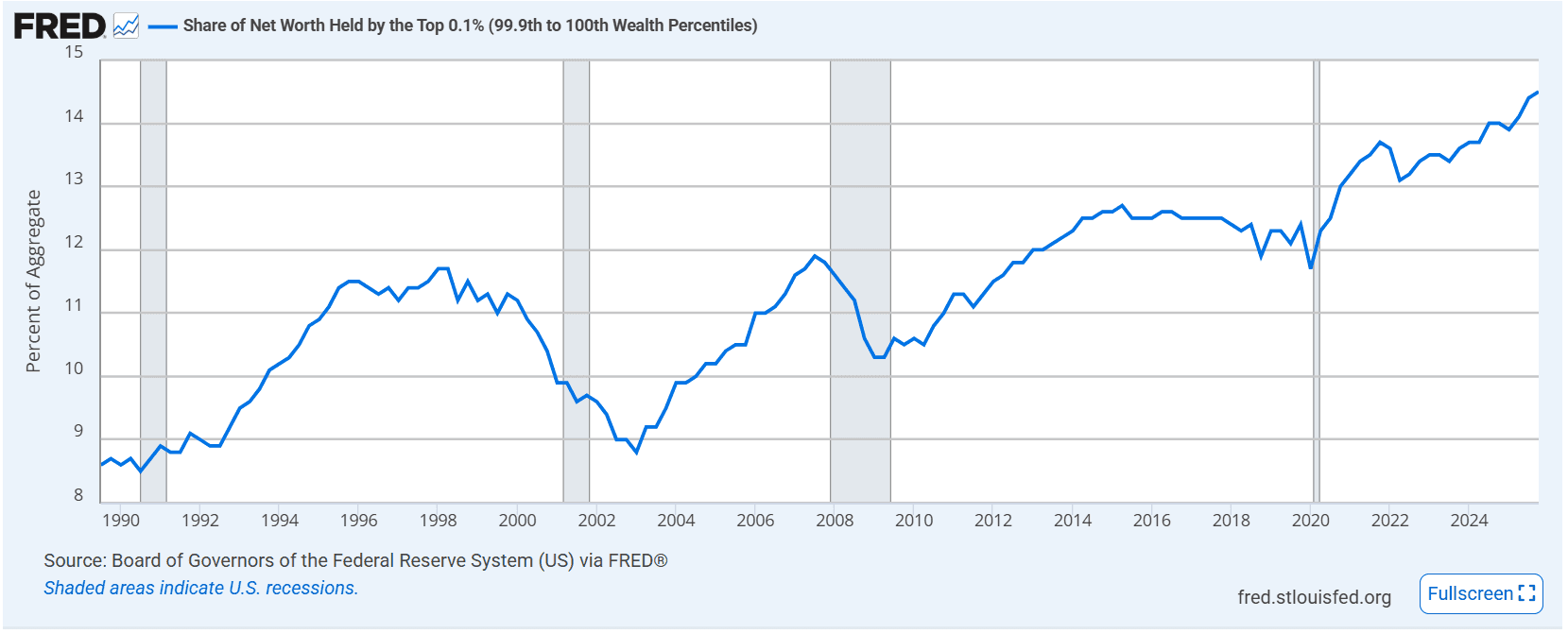
With recession indicators still flashing mixed signals in 2026 — and reasons to take them seriously — building some defensive exposure makes sense even for growth-oriented investors. Recession resistant stocks — companies in consumer staples, healthcare, and utilities — tend to hold their value when the broader market sells off. According to Federal Reserve data, wealth distribution across American households is far more uneven than most assume, which makes capital preservation a priority for most retail investors, not just the wealthy.
How Automated Investing Strategies Change the Equation
The biggest edge retail investors have lost historically isn’t access to information — it’s discipline. Automated investing strategies remove the emotional variable entirely.
Why Systematic Investing Beats Emotional Decision-Making
Systematic investing means your portfolio follows rules, not feelings. The DALBAR annual study on investor behavior shows the average investor underperforms the market by 3–5% annually — almost entirely due to emotional decision-making. And the S&P SPIVA Scorecard has tracked active vs passive performance for decades, making a compelling case for rules-based approaches. The hidden dangers of emotional investing are more costly than most investors realize.
For investors deploying $1,000 in 2026, plugging into an automated investing strategy means your capital is working according to a tested framework from day one. Here are five strategies you can automate right now.
Where to Invest $1,000 Right Now: Putting It All Together
The best answer to where to invest $1,000 in 2026 isn’t a single ticker. It’s a framework: start with diversification, layer in income through dividend investing for beginners, add some defensive exposure through recession resistant stocks, and let automation handle the execution discipline. How you deploy also matters — how you invest matters as much as what you invest in.
For investors who want all of that running on autopilot — without needing to monitor markets daily or make emotional calls under pressure — automated strategies built on systematic rules are the most powerful tool available to retail investors today.
Put Your $1,000 to Work on Autopilot
You now have the framework. The next step is execution — and that’s where most investors stall.
The AlphaFactory Income strategy on Surmount was built exactly for this moment. It combines dividend-focused and bond ETFs — including VIG, VYM, TLT, and BND — dynamically optimized for growth, income, and low volatility across all market conditions. It doesn’t chase trends or react to headlines. It runs on a systematic set of rules designed to generate steady income and preserve capital with minimal drawdown.
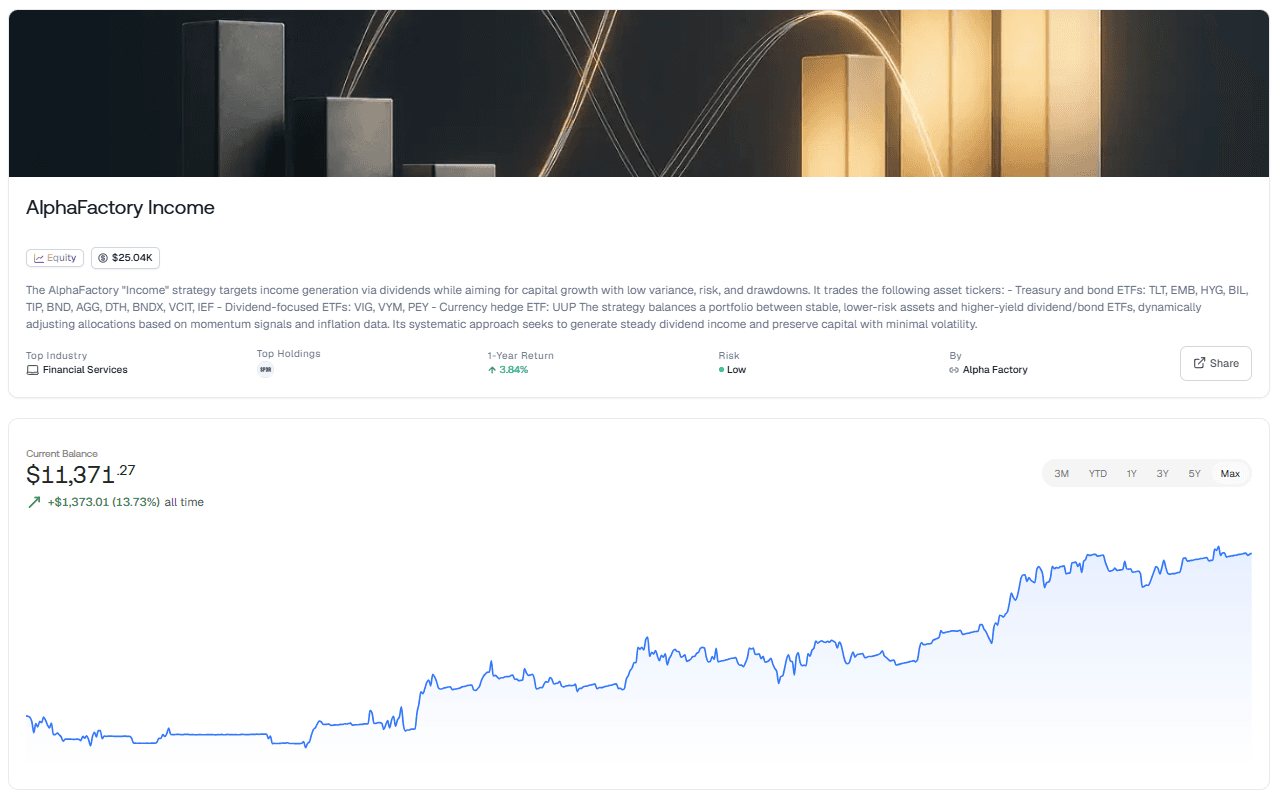
For an investor deploying $1,000 in 2026, that means:
Instant diversification across dividend and fixed income ETFs
Dynamic rebalancing that adjusts automatically as market conditions shift
Income generation from day one, without needing to monitor markets daily
Automation that removes the emotional decision-making that costs the average investor 3–5% annually
This is exactly the kind of strategy that used to require a wealth manager, a minimum account size, and a management fee. On Surmount, you can deploy it directly to your existing brokerage account in minutes — no code, no complexity, no minimum.
If you’ve been sitting on $1,000 wondering where to put it, stop wondering.
Deploy the AlphaFactory Income Strategy →
Frequently Asked Questions: Where to Invest $1,000 in 2026
Where is the best place to invest $1,000 in 2026?
The best place to invest $1,000 in 2026 depends on your risk tolerance, but a diversified mix of dividend ETFs, recession resistant stocks, and automated strategies gives you the strongest risk-adjusted starting point.
Is $1,000 enough to start investing?
Absolutely. With fractional shares and automated investing platforms, $1,000 is more than enough to build a properly diversified portfolio across multiple asset classes and sectors.
What are the best investment strategies for beginners in 2026?
Dividend investing for beginners, low-cost ETFs, and systematic automated strategies are consistently the strongest starting points — they remove complexity, reduce emotional decision-making, and compound quietly over time.
How do automated investing strategies work for small accounts?
Automated investing strategies execute trades based on predefined rules rather than emotions, making them ideal for small accounts. Platforms like Surmount let you deploy professional-grade strategies directly to your existing brokerage with no minimum investment required.
Are recession resistant stocks a good investment in 2026?
With mixed economic signals heading into 2026, recession resistant stocks in sectors like consumer staples, healthcare, and utilities offer a valuable defensive layer — protecting capital during downturns while still participating in long-term market growth.

Automate any portfolio using data-driven strategies made by top creators & professional investors. Turn any investment idea into an automated, testable, and sharable strategy.