How to Handle Oil Price Volatility as an Investor
Surmount Blogs
Oil price volatility keeps spiking on geopolitical news. Learn how to protect your portfolio.

How to Handle Oil Price Volatility as an Investor
Every few weeks, it seems, a new headline threatens to send crude prices spiraling — a canceled strike, a "peace deal," a strait under threat of closure. And every few weeks, investors are left asking the same question: should I actually react to this?
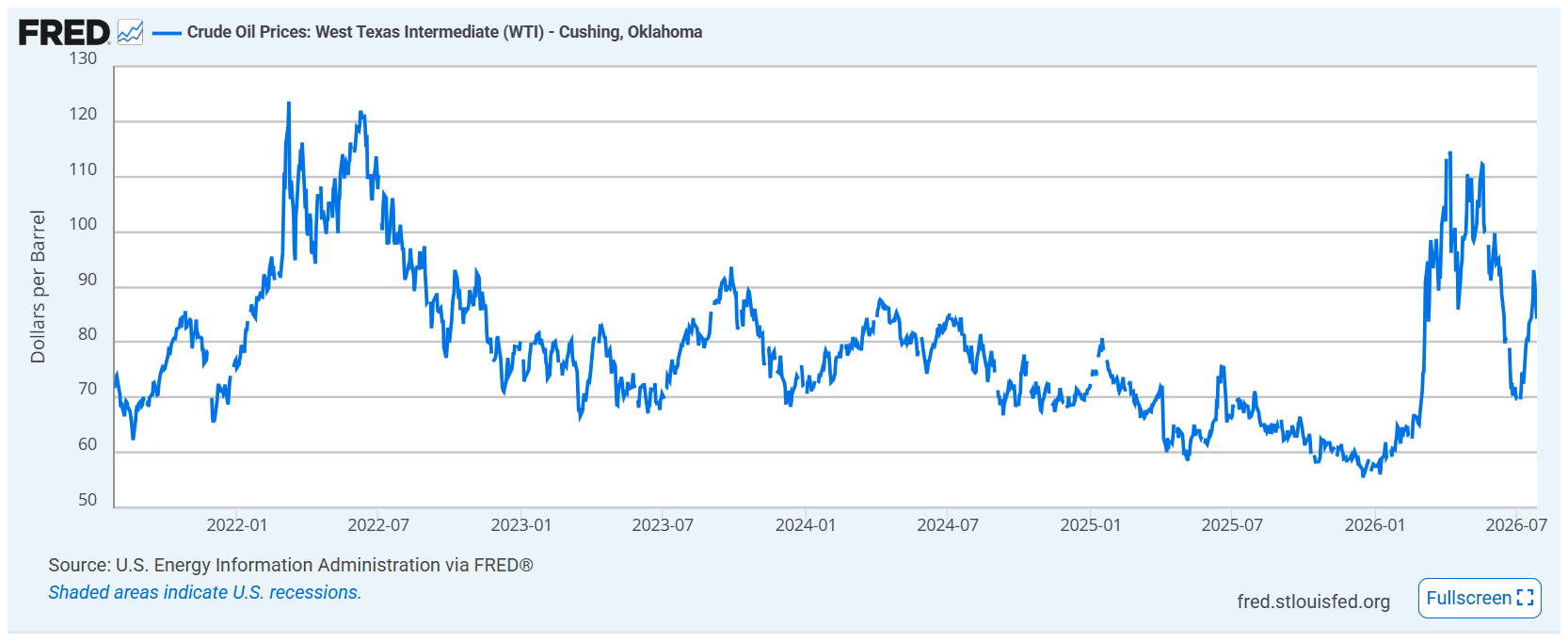
Oil price volatility has become one of the most persistent features of modern markets. Tensions in the Middle East, shifting alliances, and on-again-off-again diplomatic statements all feed into a cycle where crude prices swing hard on headlines — only to reverse just as fast once the news fades. we've covered that here. For investors trying to build durable portfolios, this creates a real dilemma: react too quickly, and you're trading noise. Ignore it entirely, and you might miss a genuine supply shock.
Why Oil Price Volatility Keeps Spiking
Geopolitical Oil Risk and the Headline Trap
Much of today's oil price volatility traces back to geopolitical oil risk — specifically, the risk that a key supply chokepoint (like the Strait of Hormuz) gets disrupted. But here's the catch: markets have grown increasingly skeptical of these headlines. Traders have watched the same pattern repeat so many times — threat, de-escalation, "deal," repeat — that the market's reaction has started to shrink with each cycle.
This creates a strange dynamic. The underlying risk hasn't necessarily gone away, but the market's willingness to price it in keeps eroding. That's a dangerous setup for investors who assume headlines are a reliable signal.
Why Oil Price Swings Are Getting Harder to Predict
Oil price swings used to correlate fairly cleanly with tangible supply and demand shifts. Increasingly, they're driven by something murkier: sentiment, positioning, and algorithmic trading desks reacting to other algorithmic trading desks. When headline-driven speculation dominates short-term price action, trying to predict the next move based on news alone becomes a losing game for most individual investors. In fact, volatility itself isn't the enemy many investors assume it to be — it's how you respond to it that matters.
The Real Cost of Reacting to Oil Price Swings
Investing During Oil Price Swings vs. Timing the News
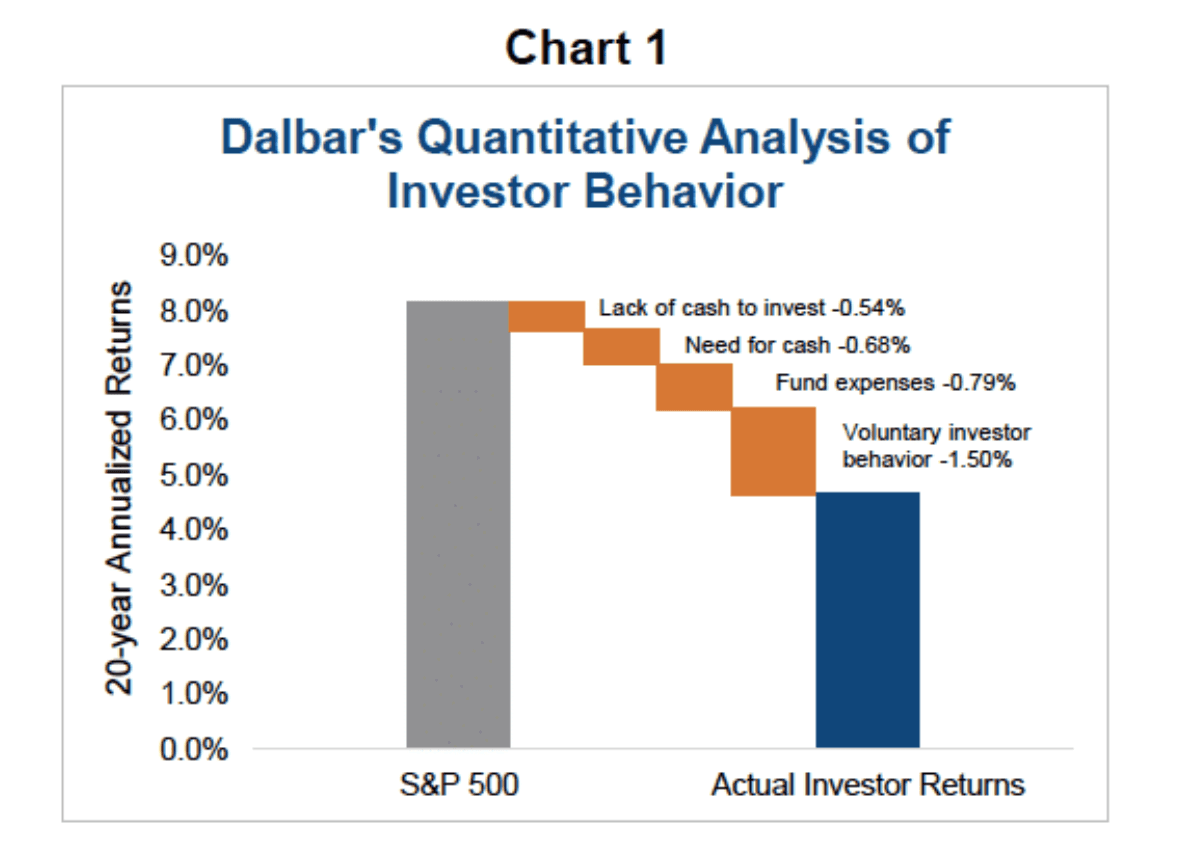
Investing during oil price swings on a headline-by-headline basis is exhausting — and expensive. Every reactive trade carries transaction costs, tax consequences, and the very real risk of being wrong about which way sentiment will break next. Even seasoned traders who've profited from fading these headlines admit it's a strategy that works "until it doesn't."
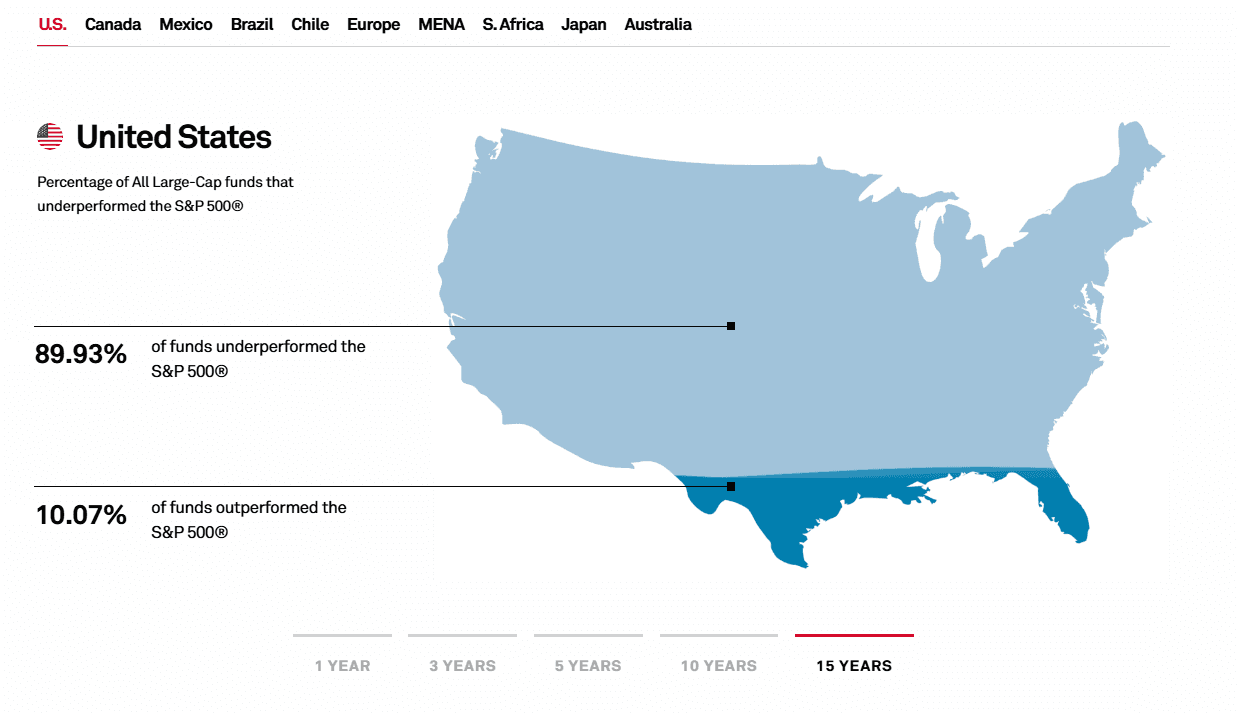
The deeper issue is that headline trading requires you to be right twice: once on the direction, and once on the timing. Missing either one erodes returns fast, and repeated whipsaws can leave a portfolio worse off than simply holding a diversified position through the noise. This isn't just theoretical — systematic strategies outperformed manual portfolio management throughout 2025's chaos for exactly this reason.
A Smarter Way to Navigate Volatility
How Systematic Investing Strategies Remove the Guesswork
This is where systematic investing strategies offer a meaningful edge. Rather than trying to interpret the next diplomatic statement or predict how a headline will move futures markets, rules-based approaches respond to measurable signals — price trends, volatility bands, momentum indicators — instead of speculation about intent. This doesn't eliminate risk, but it does remove the emotional guesswork that leads so many investors to chase headlines. A systematic approach treats a geopolitical spike in crude the same way it treats any other volatility event: as data, not drama. This is the same logic behind modern drawdown control techniques used across algorithmic investing more broadly.
Automated Investing During Volatility: What It Actually Looks Like
Automated investing during volatility typically means a strategy that adjusts exposure based on predefined rules rather than discretionary judgment calls. For example, a strategy might reduce equity exposure and increase allocation to defensive assets when realized volatility crosses a certain threshold — all without a human needing to decide, in real time, whether the latest ceasefire headline is credible. This kind of rules-based risk adjustment is central to how automated trading strategies manage drawdown more generally.
For investors who've watched their portfolios lurch on Friday-night announcements and Monday-morning reversals, this kind of automated discipline can be the difference between compounding steadily and getting whipsawed repeatedly by the same story.
The Bottom Line
Oil price volatility isn't going away — if anything, the cycle of threats, de-escalations, and skepticism seems likely to continue as long as geopolitical flashpoints remain unresolved. But investors don't have to choose between ignoring the risk and chasing every headline.
Building a strategy that responds systematically to volatility, rather than reactively to news, offers a way to stay positioned through uncertainty without betting your portfolio on correctly predicting the next diplomatic twist. For a broader look at how automation helps investors navigate volatile markets across asset classes, it's worth exploring further.
Stop Guessing Whether the Headline Is Real. Let Volatility Decide.
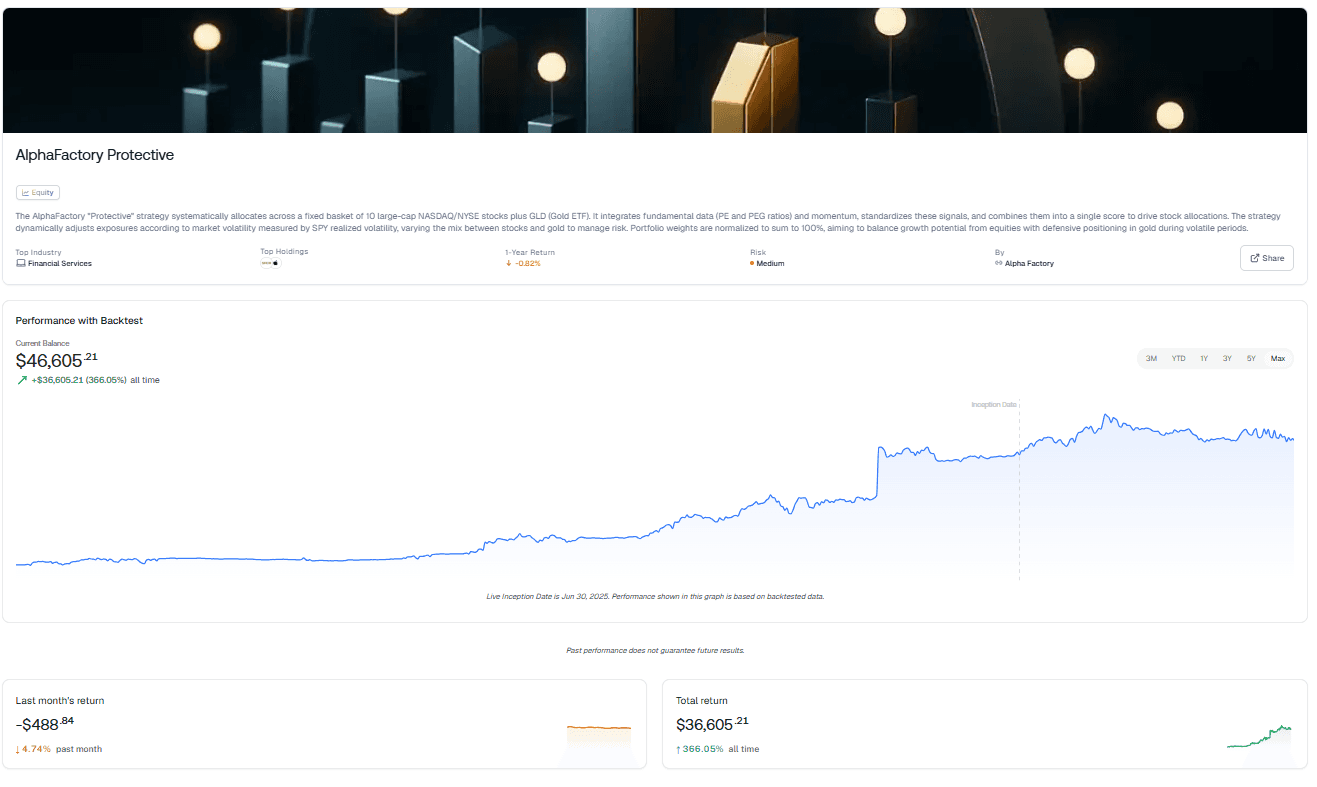
You've just read why chasing oil price headlines is a losing game — the market can't consistently tell you which ceasefire is real, and neither can you. AlphaFactory Protective was built around a simpler, more honest premise: don't predict the news, respond to the volatility it creates.
Here's how it works in your favor:
Automatically scales risk with market conditions — full exposure to high-conviction stocks during calm markets, a blended stock-and-gold position when volatility rises, and a shift away from stocks entirely when conditions turn hostile.
Uses SPY realized volatility as its signal — not headlines, not sentiment, not guesswork about whether a "peace deal" will hold.
Blends momentum and value scoring across 10 high-market-cap NASDAQ/NYSE names, so you're not abandoning growth potential just because markets get choppy.
Incorporates GLD as a built-in hedge — the same asset investors have historically turned to during Middle East tensions and oil shocks, but allocated systematically rather than reactively.
Removes the emotional decision entirely — no more asking "do I believe this ceasefire" before every trade. The strategy already knows what to do.
The next geopolitical headline is coming — it always does. The only real question is whether your portfolio will be positioned to handle it before it hits, or scrambling to react after.
Deploy AlphaFactory Protective to your portfolio and let a rules-based system manage the volatility, so you don't have to guess.
FAQs
What causes oil price volatility?
Oil price volatility is typically driven by supply disruptions, geopolitical oil risk, and shifting demand expectations. In recent years, headline-driven speculation around conflicts and diplomatic statements has become a major short-term driver.
How can investors protect against oil price swings?
Investors can hedge against oil price swings through diversified exposure to defensive assets like gold, or by using automated investing during volatility to systematically reduce risk when conditions change.
Why do markets react less to repeated geopolitical headlines over time?
Markets tend to "price in" repeated headlines the more often they occur, especially when past threats haven't led to lasting outcomes. This is why relying on headline reactions for investing during oil price swings becomes less reliable over time.
Is systematic investing better than reacting to news during volatility?
Systematic investing strategies respond to measurable signals like volatility and momentum rather than interpreting headlines, which removes emotional guesswork and reduces the risk of mistimed trades.
What is automated investing during volatility?
Automated investing during volatility means using predefined rules to adjust portfolio exposure — such as shifting toward defensive assets — without requiring real-time human judgment calls on breaking news.

Automate any portfolio using data-driven strategies made by top creators & professional investors. Turn any investment idea into an automated, testable, and sharable strategy.