Physical Gold vs Gold ETF: Which Should You Own?
Surmount Blogs
Compare physical gold vs gold ETF on cost, tax, liquidity, and risk to find the right fit for you.

Physical Gold vs Gold ETF: Which Should You Own?
Gold is having a moment. Prices have pushed to record highs, central banks are stockpiling it, and a growing number of investors are asking the same question that shows up constantly in forums like r/investing: should I own the metal itself, or just buy the ETF? The physical gold vs gold ETF debate isn't new, but it's gotten louder as more people look for ways to hedge against inflation and currency risk without fully understanding the tradeoffs of each format.
This guide breaks down the real differences — cost, liquidity, tax treatment, and risk — so you can decide which route actually fits your goals.
Physical Gold vs Gold ETF — The Core Tradeoffs
At the surface, both options give you exposure to the same underlying asset. But how you hold that exposure changes almost everything else: what you pay to buy and sell, how quickly you can convert it to cash, how it's taxed, and how much responsibility falls on you to store and secure it.
Bars and coins give you something tangible — an asset you can hold outside the financial system entirely. Gold ETFs give you a paper claim on gold (or gold futures) that trades like a stock, with none of the storage headache but also none of the "hold it in your hand" appeal that draws some investors to the metal in the first place.
Is Gold a Good Investment Right Now?
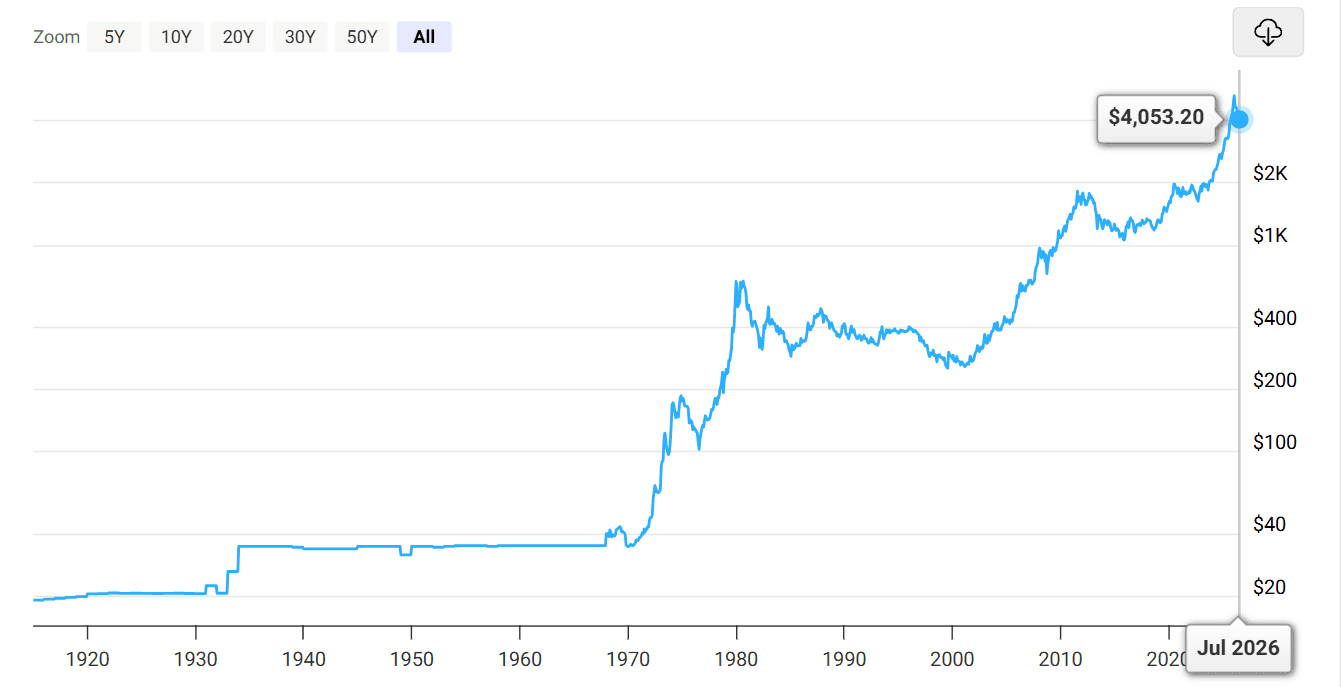
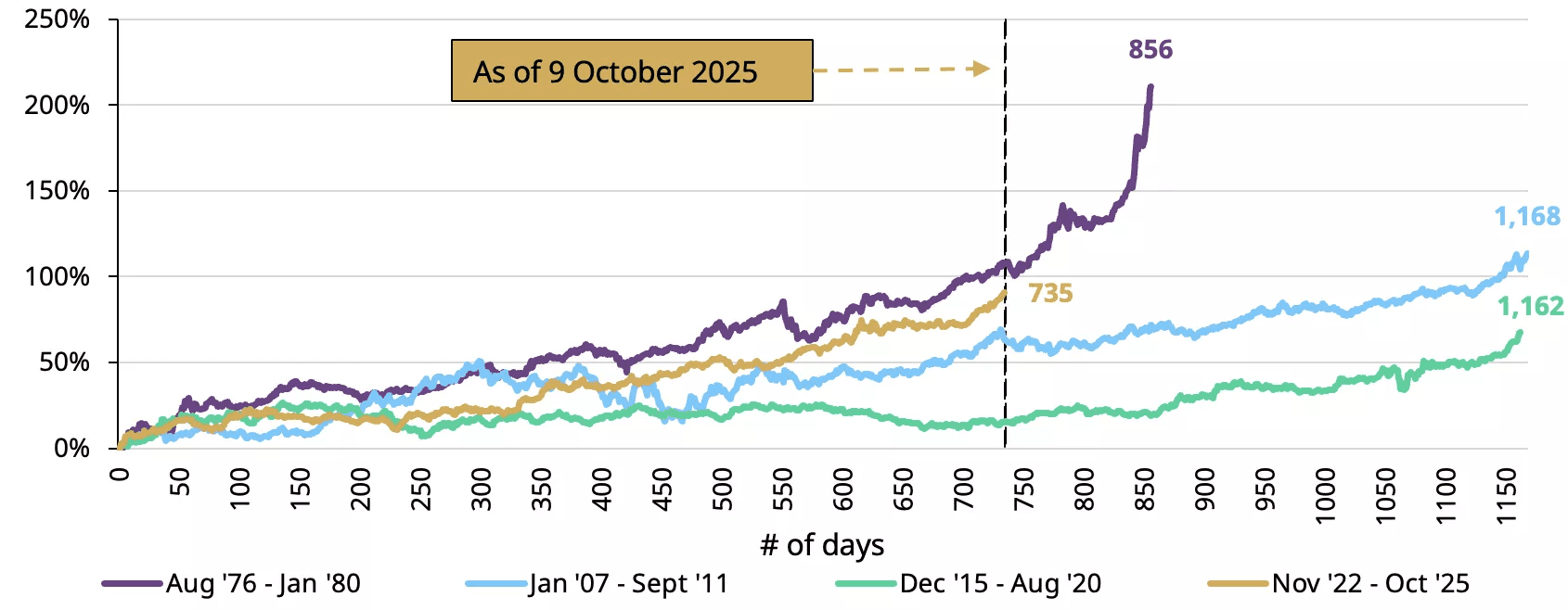
Whether gold deserves a place in your portfolio depends less on the current price and more on what role you want it to play. Gold has historically moved somewhat independently of stocks, which is part of why it gets used as a diversifier rather than a growth engine. Prices have pushed to record highs, and central bank buying has been a major driver — the World Gold Council's demand trends data tracks this closely each quarter. It doesn't generate income, doesn't compound, and doesn't grow earnings — it simply tends to hold value differently than equities during periods of currency weakness or economic stress.
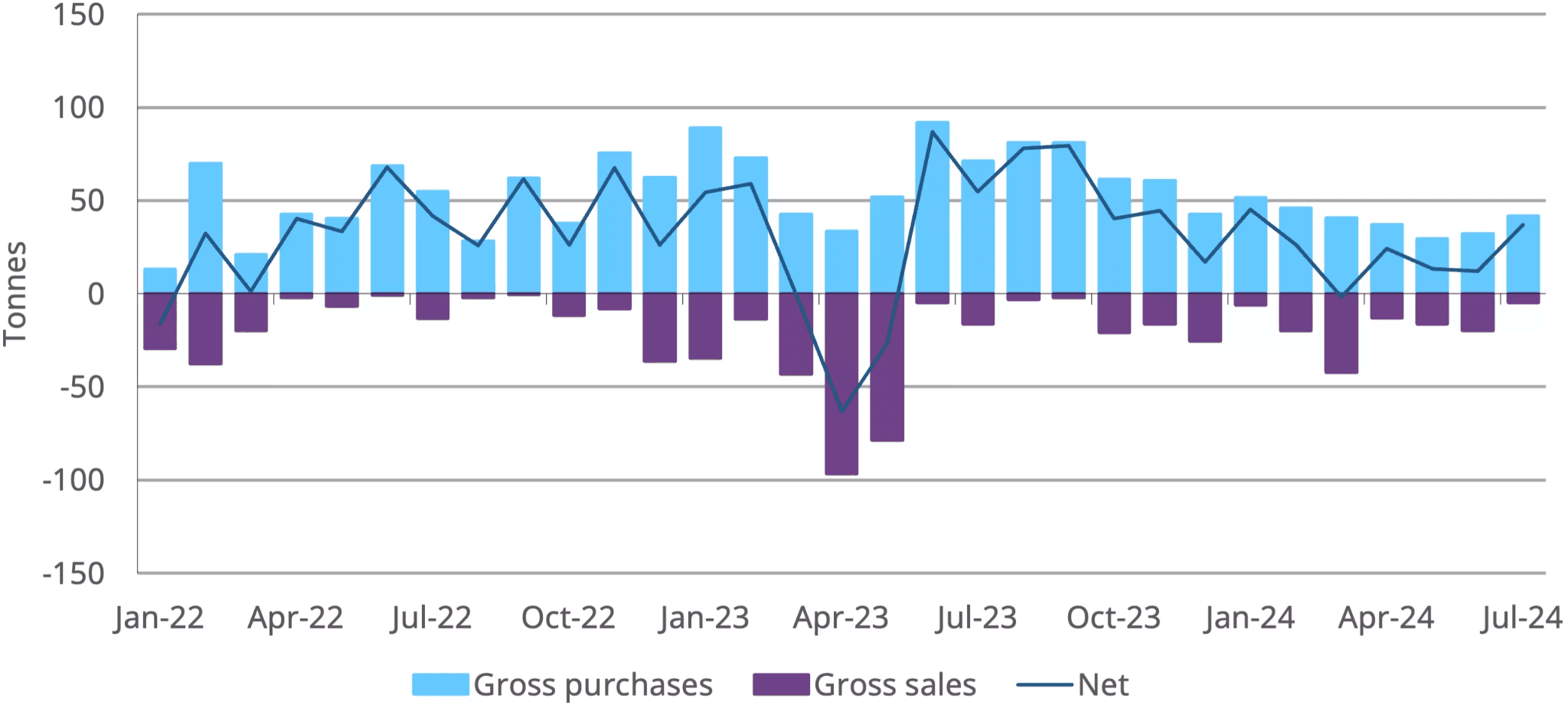
That said, buying gold near a price peak — as many recent buyers have discovered — can mean sitting on paper losses for a long stretch. Gold's post-1980 high took decades to recover in real terms, per FRED's historical price series. That history matters more than the sticker price on any given day.
How to Invest in Gold: Your Main Options
There are a few practical gold investment options to consider:
Physical bullion — bars or coins purchased through a dealer
Gold ETFs — funds like GLD that track the spot price
Mining stocks — indirect exposure tied to producer profitability
Gold IRAs — retirement accounts holding physical metal or gold-backed assets
Physical and ETF exposure are the two most common starting points, so it's worth understanding each on its own terms — and if you're weighing mining equities as a third option, see gold stocks vs. physical gold: which wins in a rally for how that comparison plays out.
Pros and Cons of Physical Gold
Owning the metal appeals to people who want an asset outside the banking system. But it comes with real friction:
No counterparty or custodian risk
Usable as a store of value independent of markets
Wide bid-ask spreads (often 2–6% over spot when buying, and a markdown when selling)
Storage and insurance costs
Harder to rebalance quickly or partially
Pros and Cons of Gold ETFs
ETFs solve most of the practical headaches, at the cost of direct ownership:
Tight spreads and instant liquidity during market hours
Easy to buy, sell, or rebalance in any size
No storage or insurance burden
You don't hold the physical asset — you hold a fund share
Subject to fund-level risks like tracking error or authorized-participant issues
Gold ETF Tax Rules vs Physical Gold Taxes
This is the part most first-time buyers miss. Physical gold — including bars, coins, and most gold ETFs like GLD — is taxed by the IRS as a collectible (see Publication 550), not a standard capital asset. Long-term gains on collectibles are capped at a 28% federal rate, regardless of your income bracket. That's meaningfully higher than the 15–20% long-term capital gains rate most stock investors are used to — a good reminder that tax treatment varies significantly across asset types and is worth understanding before you buy.
This applies whether you're holding bars in a safe or shares of a physically-backed gold ETF, so switching from one to the other doesn't automatically solve the tax question.
Gold IRA: A Tax-Advantaged Middle Ground
A Gold IRA lets you hold physical gold (or gold ETFs, in some structures) inside a tax-advantaged retirement account, shielding gains from the 28% collectibles rate until — or unless — you withdraw. For investors planning to hold gold long-term as an inflation hedge, this structure is worth exploring with a tax professional before buying.
Gold as an Inflation Hedge — Does It Still Work?
The case for gold as an inflation hedge rests on its long history of holding purchasing power when currencies weaken. Rising government debt, persistent deficit spending, and periods of dollar softness all tend to renew interest in gold for this reason.
The CFA Institute's research on gold as a strategic asset frames it similarly — useful as a diversifier, not a guaranteed short-term inflation trade.
But the relationship isn't mechanical. Gold can go years without responding to inflation data at all, then move sharply on sentiment alone. It's a hedge investors lean on more as insurance than as a reliable, short-term inflation trade.
The Behavioral Problem With Owning Gold Yourself
Here's the part rarely discussed in a physical gold vs gold ETF comparison: the biggest risk isn't the format — it's timing and emotion. Investors tend to buy gold when headlines are loudest and prices are already elevated, then hold through drawdowns without a clear plan for when (or whether) to sell. That's true whether the gold is sitting in a vault or a brokerage account — a pattern that quietly erodes returns across almost every asset class.
Automated Gold Investing: A Systematic Alternative
This is where automated gold investing changes the equation. Instead of manually deciding when to buy, hold, or rotate out of gold based on gut feeling, a rules-based approach applies consistent logic — using price trends, volatility, or relative performance against other assets — to manage that exposure on your behalf.
Which Is Right for You?
If you want a tangible asset outside the financial system and don't mind the costs of storage and wider spreads, physical gold has a role. If you want flexibility, low friction, and the ability to actively manage your exposure, a gold ETF is usually the more practical choice. Either way, the harder problem in the physical gold vs gold ETF decision — knowing when to hold gold and when to rotate away from it — is one that automation is often better equipped to handle than instinct.
Stop Guessing When to Hold Gold — Let the Rules Decide
Everything in this comparison points to the same conclusion: whether you choose physical gold or a gold ETF, the format isn't what determines your returns — timing is. And timing gold well, consistently, based on gut feel and headlines, is exactly what most investors get wrong.
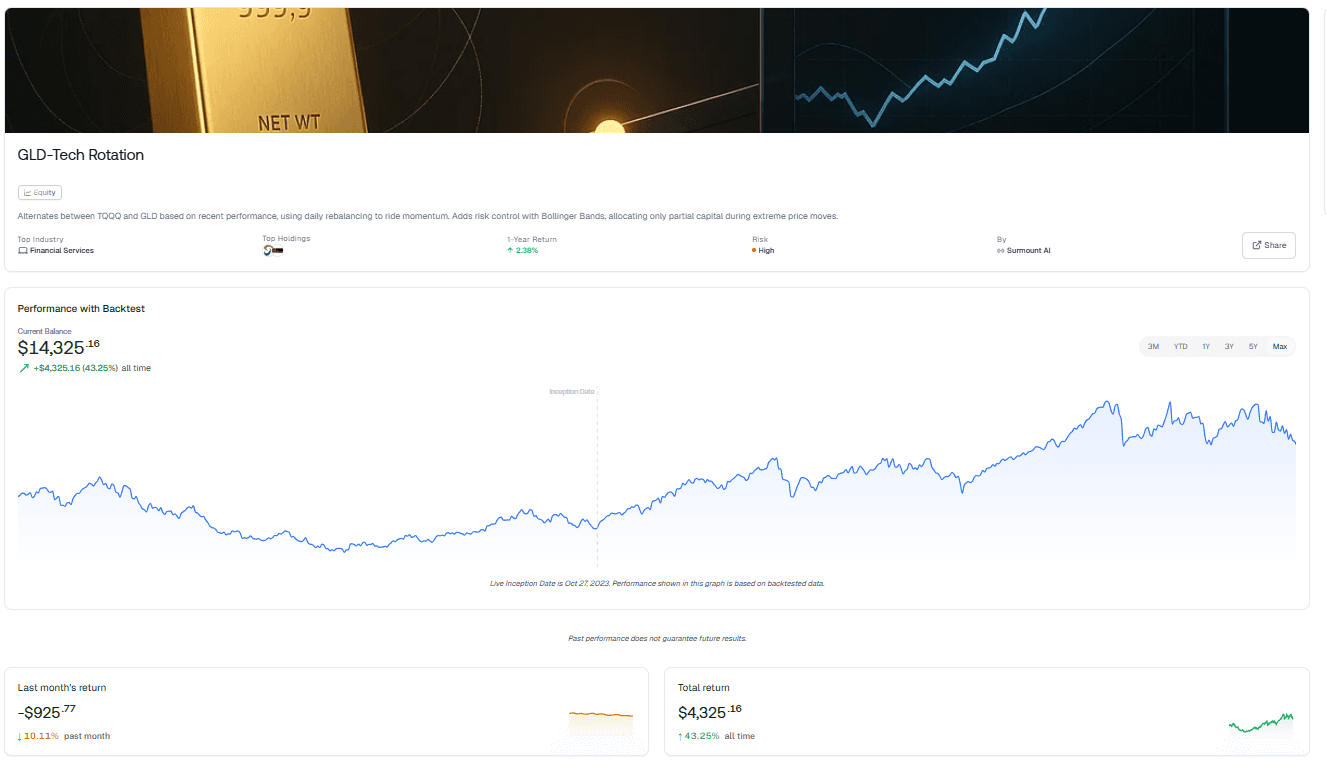
That's the problem GLD-Tech Rotation is built to solve.
Instead of statically holding gold and hoping you bought at the right moment, this strategy treats gold as one half of a dynamic, rules-based rotation — constantly evaluating whether gold or growth-oriented tech exposure (via TQQQ) deserves your capital right now, based on actual recent performance rather than emotion or news cycles.
Why it fits what you just read:
Removes the timing guesswork — the strategy rebalances daily, shifting weight toward whichever asset is currently outperforming, so you're not left holding a static position through a prolonged drawdown
Built-in downside protection — when markets get choppy (prices moving more than 1.5 standard deviations from their 20-day average), the strategy automatically pulls back to just 50% capital deployment, reducing tail risk exactly when it matters most
No storage, no spreads, no friction — you get gold's diversification benefit without bullion's bid-ask spread, insurance costs, or liquidity headaches
Captures both sides of the cycle — rather than choosing between "gold for safety" or "tech for growth," this strategy captures upside from whichever is actually working
Fully automated, fully transparent — no manual rebalancing, no second-guessing headlines about central bank buying or inflation data — the logic runs systematically, every day
If the biggest risk in gold investing isn't physical vs. paper but when you get in and out, GLD-Tech Rotation is designed to answer that question for you — every single day, without emotion.
Deploy GLD-Tech Rotation to your portfolio and let the rules do the timing.
Frequently Asked Questions: Physical Gold vs Gold ETFs
Is it better to buy physical gold or a gold ETF?
It depends on your priorities. Physical gold suits investors who want a tangible asset outside the financial system, while gold ETFs offer lower costs, better liquidity, and easier rebalancing.
How is gold ETF taxed compared to physical gold?
Both are typically taxed as collectibles, with long-term gains capped at a 28% federal rate — higher than the standard capital gains rate for stocks.
Is gold a good investment during inflation?
Gold has historically served as a hedge against currency weakness and inflation, though the relationship isn't always immediate or predictable in the short term.
Can I hold physical gold in a retirement account?
Yes — a Gold IRA allows you to hold physical gold or gold-backed assets while deferring the 28% collectibles tax until withdrawal.
What's the safest way to invest in gold without buying physical bullion?
Gold ETFs and automated, rules-based strategies that manage gold exposure systematically offer diversification without the storage, insurance, or liquidity drawbacks of owning bullion directly.

Automate any portfolio using data-driven strategies made by top creators & professional investors. Turn any investment idea into an automated, testable, and sharable strategy.