Buying Stocks at 52-Week Lows: A Smarter Screening Guide
Surmount Blogs
Buying stocks at 52-week lows can uncover bargains or value traps. Learn the filters and exit rules to use.

Buying Stocks at 52-Week Lows: A Smarter Screening Guide
"Buy low, sell high" sounds simple until a stock you like keeps falling right after you buy it. That tension sits at the heart of buying stocks at 52-week lows. Some of those stocks are only temporarily out of favor. Others are cheap because the business is breaking down.
A list of stocks hitting new lows tells you what's cheap. A strategy helps you judge which ones deserve a closer look. This guide covers the screening filters, the risks, and the exit rules that turn a hunch into a repeatable process.
What Buying Stocks at 52-Week Lows Really Means
A 52-week low is the lowest price a stock has traded at over the past year. Reaching one usually means sentiment has soured, whether from weak earnings, sector pressure, or a broad selloff.
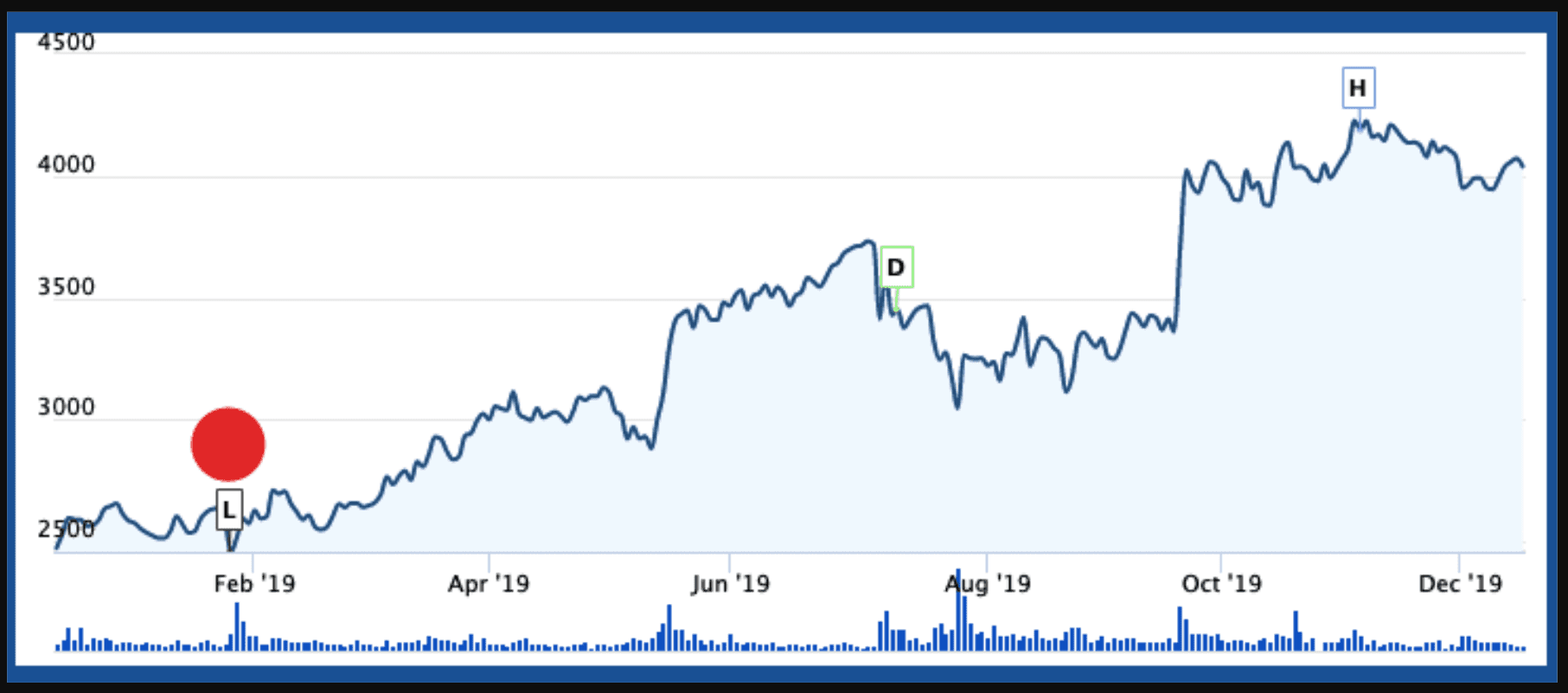
Why It's a Classic Contrarian Investing Strategy
A contrarian investing strategy looks for opportunity where most investors see only risk. The reasoning goes like this:
Heavy selling can push a price below what the underlying business is worth, a dynamic that mean reversion traders look to exploit
Bad news is often already reflected in the share price
Cyclical industries can recover once conditions improve, lifting shares with them
The Research Behind the 52-Week Low Strategy
The best-known framework comes from Luke Wiley's book, The 52-Week Low Formula. When AAII built a screen based on Wiley's approach, it looked for stocks within 10% of their 52-week low that had fallen at least 20% over the year. It then required above-industry gross margins, a return on invested capital of at least 10%, and long-term debt no more than three times free cash flow.
The evidence cuts both ways, though. A 2004 study in The Journal of Finance found that nearness to the 52-week high was a stronger predictor of future returns than past returns alone. That means any 52-week low strategy is working against the momentum effect that tends to favor stocks near their highs, which makes strict filters essential.
Stock Screening Criteria That Separate Bargains From Busts
A falling price alone isn't a reason to act. Useful stock screening criteria focus on whether the business can survive the slump. Common filters include:
Positive profit margins: the company still makes money despite the drawdown
Positive operating cash flow: it can fund operations without constant borrowing, and free cash flow after CapEx shows what's left over
Current ratio above 1.0: short-term assets cover short-term liabilities
Low leverage: for example, debt-to-equity below 0.5, leaving room to weather a downturn
Dividend history: a maintained payout can signal confidence, although dividends can be cut, which is why it helps to screen out yield traps
A durable competitive advantage: a moat makes a rebound more plausible than a slow fade
These filters are grounded in academic work. Economists from Harvard and Brandeis found that firms with higher leverage, lower profitability, and lower cash holdings were more likely to file for bankruptcy, be delisted, or receive a D rating. For anyone buying stocks at 52-week lows, those are exactly the red flags a screen should catch.
The Biggest Risks of Bottom-Fishing
Even well-screened stocks can keep falling. Understanding the downside is part of the strategy, not an afterthought.
How to Spot a Value Trap
A value trap is a stock that looks cheap on paper but stays cheap, or gets cheaper, because its problems are structural. Warning signs include:
Revenue declining for several years, not just one weak quarter
Shrinking free cash flow alongside rising debt
An industry being disrupted rather than moving through a normal cycle
Weakening dividend coverage
Catching a Falling Knife
Buying a stock in free fall is often called catching a falling knife. The same distress research found that since 1981, financially distressed stocks delivered unusually low returns alongside much higher volatility than stocks with low failure risk. That's why some investors wait for a confirmed trend reversal first, accepting a higher entry price in exchange for evidence that selling pressure has eased.

A single value trap can also erase the gains from several successful positions, which is why position sizing and drawdown control matter as much as selection.
Why Your Exit Strategy Matters as Much as Your Entry
Most discussions of buying stocks at 52-week lows focus on the entry. Without an exit strategy, though, a recovered position can slide right back into a loss, and deciding when to sell is often the harder call. Common exit rules include:
Price targets: selling once shares recover to a set percentage of the prior 52-week high
Time limits: reviewing positions that haven't recovered within a defined period
Thesis breaks: exiting if a screening criterion stops being met, such as cash flow turning negative
Taxes matter too. Under IRS capital gains rules, gains on assets held one year or less are short-term, while assets held longer than a year produce long-term gains that may qualify for a lower rate. A quick rebound can therefore come with a bigger tax bill.
Frequently Asked Questions
What does it mean when a stock hits a 52-week low?
It means the stock is trading at its lowest price in the past year. That usually reflects weak sentiment, but it doesn't necessarily mean the business itself is weak.
Is buying stocks at 52-week lows a good strategy?
It depends on the filters behind it. Research shows stocks near their highs have tended to carry stronger momentum, so a 52-week low strategy relies heavily on strict quality screens and risk controls.
How can you tell a cheap stock from a failing business?
Stock screening criteria like positive cash flow, low debt, and stable margins help flag weaker companies. Multi-year revenue declines and rising debt are common warning signs.
When do investors typically sell a stock bought near its low?
There's no single rule, but a defined exit strategy helps. Common approaches include price targets, time limits, and exiting when the original thesis no longer holds.
Why use rules-based investing for a contrarian investing strategy?
A rules-based approach applies the same screens and exit rules every time, which limits emotional, in-the-moment decisions. It doesn't remove market risk or guarantee results.
Disclosure: This content is for educational and informational purposes only and should not be taken as investment advice or a recommendation to buy or sell any security. All investing involves risk, including the possible loss of principal. Past performance does not guarantee future results.

Automate any portfolio using data-driven strategies made by top creators & professional investors. Turn any investment idea into an automated, testable, and sharable strategy.