Education
7 Investing Mistakes to Avoid Before Your Next Trade
Most investors don't lose money because they picked the wrong stock. They lose money — or leave gains on the table — because of what happens after the pick: the doubt that creeps in, the plan that quietly gets abandoned, the exit that happens for emotional reasons rather than logical ones.
Understanding the most common investing mistakes to avoid isn't about finding a smarter stock-picking formula. It's about recognizing the behavioral patterns that derail otherwise sound decisions — and building a process that protects you from yourself.
Why Investing Mistakes Usually Aren't About the Stock
Ask most investors about their biggest regret, and the story is rarely “I picked the wrong company.” It's usually a version of: I had the right idea, and I still managed to get it wrong.
That's because the real risk in investing isn't just analytical — it's psychological. According to DALBAR's 2023 Quantitative Analysis of Investor Behavior, the average equity fund investor earned 5.5% less than the S&P 500 that year alone — a gap driven almost entirely by timing decisions rather than stock selection.
Recognizing these patterns is the first step toward avoiding them.
The Most Common Investing Mistakes to Avoid
Letting Emotional Investing Override Your Plan
Emotional investing shows up in familiar ways:
Selling during a dip because the headlines feel scary
Buying back in only after a stock has already recovered
Making decisions based on how a position feels today rather than what your original research concluded
This kind of reaction often traces back to misjudging your own risk tolerance in the first place — comfortable in theory, less so in a real drawdown.
Second-Guessing Investments You've Already Researched
Second-guessing investments is one of the sneakier mistakes, because it doesn't feel like a mistake in the moment — it feels like caution. But there's a difference between:
Updating your view because new, material information has emerged, and
Doubting a well-researched position simply because it's uncomfortable to hold
If nothing about the underlying reasoning has changed, the discomfort itself isn't a signal — it's just discomfort.
Abandoning Your Investment Thesis Under Pressure
Every position should start with a clear investment thesis: the specific reasons you believe it, and — just as importantly — the specific conditions that would prove you wrong.
The mistake many investors make isn't failing to define this. It's quietly redefining it later, in real time, so the current situation no longer seems to violate the original thesis — even when it does. This is closely related to why many investors misunderstand dollar-cost averaging — treating a funding method as if it were a decision-making framework.
Not Letting Winners Run
Avoiding investing mistakes isn't only about limiting losses — it's also about not sabotaging your wins. A common pattern:
A position performs well
The gain starts to feel “too big to be real”
The investor exits early out of fear of losing the paper profit
Letting winners run doesn't mean holding blindly. It means the decision to exit should be based on whether a sell decision is justified rather than emotional — not on anxiety about a number on a screen.
How to Build Investing Discipline Into Your Process
Investing discipline is less about willpower and more about structure. A few practical habits:
Write your thesis down before you buy — including the specific conditions that would make you wrong
Set predefined alerts or levels tied to your thesis, not your emotions
Review decisions against your original notes, not your memory of them
Separate “new information” from “old fear” when deciding whether to act
Discipline also means resisting the urge to over-concentrate in a single winning idea — a common and costly behavioral trap.
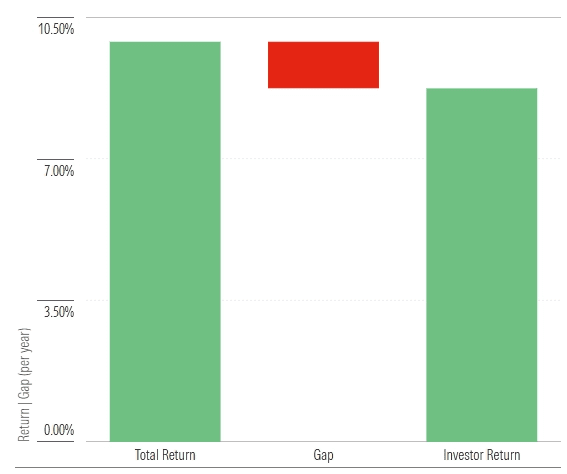
The cost of skipping this structure is measurable. Morningstar's 2024 Mind the Gap report found that the average fund investor earned about 1.1% less per year than their own fund holdings over the prior decade.
Why Systematic Investing Removes the Guesswork
This is the pattern behind nearly every one of these investing mistakes to avoid: a reasonable plan, undone by an in-the-moment emotional decision.
Systematic investing addresses this by design. Rather than relying on willpower in the middle of a volatile session, a systematic approach applies a defined set of rules consistently — removing the moment where fear, doubt, or excitement gets to override the original plan. It's part of why more experienced, self-directed investors are re-evaluating automated approaches — not for hand-holding, but for consistency.
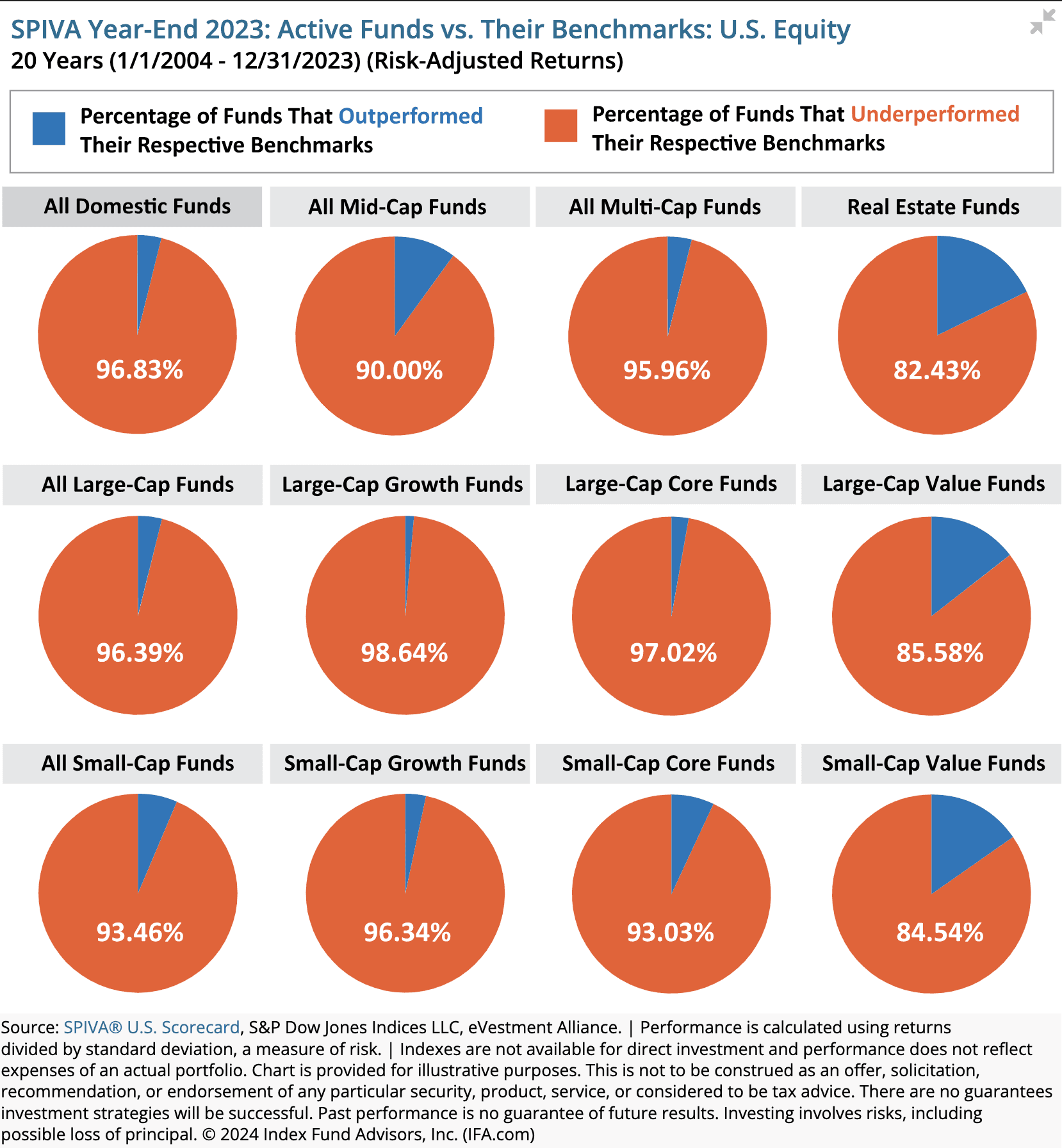
Even professional stock-pickers struggle to escape this pattern: S&P Dow Jones Indices' SPIVA U.S. Year-End 2025 scorecard found that 79% of actively managed large-cap funds underperformed the S&P 500 that year. If professional managers with full-time research teams have this much trouble beating a benchmark through discretionary decisions, the case for rules-based consistency is just as strong for individual investors.
This doesn't eliminate risk, and it isn't a guarantee of better outcomes. No investment strategy, automated or otherwise, can protect against loss or guarantee any specific result, particularly during periods of high volatility. But it does address the specific failure mode described above: a good process getting derailed by a human reaction in real time.
Frequently Asked Questions
What is the most common investing mistake to avoid?
The most common mistake isn't picking the wrong stock — it's abandoning a sound investment thesis under emotional pressure, such as panic selling during a dip.
Why do investors second-guess good investments?
Second-guessing investments often happens when discomfort is mistaken for new information, even though nothing about the original thesis has actually changed.
How can I avoid emotional investing decisions?
Writing down your investment thesis and the specific conditions that would prove it wrong — before you buy — helps separate genuine red flags from emotional reactions.
What does “letting winners run” mean in investing?
Letting winners run means holding a position based on whether your original thesis still holds, rather than selling early out of fear of losing paper gains.
How does investing discipline improve long-term returns?
Investing discipline reduces the chance that emotional investing derails a sound plan, since decisions are reviewed against pre-set criteria rather than in-the-moment reactions.
Automate any portfolio using data-driven strategies made by top creators & professional investors. Turn any investment idea into an automated, testable, and sharable strategy.