Jim Cramer Stock Picks: Do They Actually Work?
Surmount Blogs
We break down Jim Cramer's stock picks accuracy and what it means for your investing strategy.

Jim Cramer Stock Picks: Do They Actually Work?
If you've spent any time near financial news, you know the name. Jim Cramer hosts CNBC's “Mad Money,” delivering rapid-fire stock recommendations to millions of viewers every weeknight. For many retail investors, his energetic, conviction-heavy style has made him one of the most recognizable voices in market commentary.
But recognition isn't the same as reliability. As more investors search for ways to validate Jim Cramer stock picks before acting on them, a bigger question emerges: is following any single TV personality's recommendations actually a sound investing approach?
Jim Cramer Stock Picks Accuracy: What the Data Shows
Cramer's Track Record, By the Numbers
Multiple independent studies and trackers have analyzed Jim Cramer stock picks over the years, and the results are mixed at best. Some of the most detailed analysis comes from CXO Advisory Group's long-running performance tracking, which has found his picks underperforming broad market benchmarks like the S&P 500 over multi-year periods. This doesn't mean every recommendation is wrong — but it does suggest that Cramer stock picks accuracy isn't something investors should assume without scrutiny.
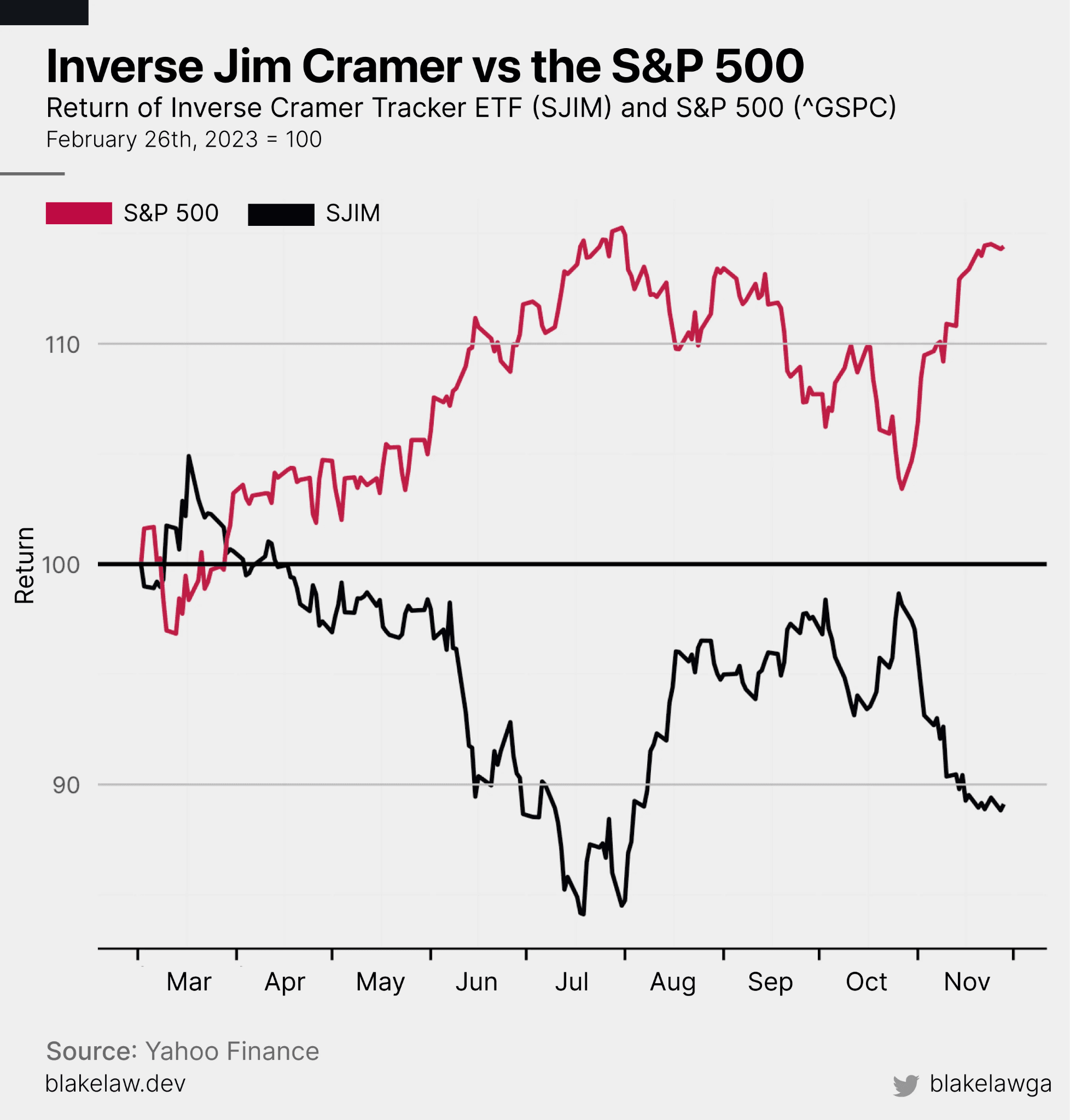
It's worth noting that Cramer himself, in a now widely-circulated 2006 interview, openly described tactics used by hedge funds to influence stock prices through media narratives rather than fundamentals. That admission has fueled ongoing skepticism about how much of TV-driven stock commentary reflects genuine analysis versus market noise.
The “Inverse Cramer” Strategy Explained
This skepticism gave rise to a popular meme-finance concept: the inverse Cramer strategy — literally betting against his picks. While it started as internet humor, several funds and trackers have semi-seriously tested this approach, with some periods showing the inverse strategy outperforming the original picks. Whether or not “inversing” is a legitimate strategy, its popularity reveals something important: investors increasingly question discretionary picking altogether — a skepticism backed by real performance data comparing algorithmic and human-driven investing.
Why Discretionary Stock Picking Is Riskier Than It Looks
Emotional Investing Mistakes That Hurt Returns
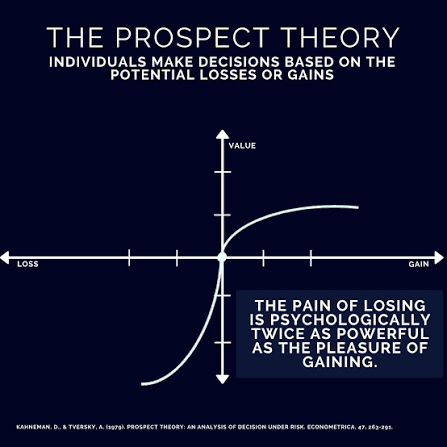
The deeper issue isn't really about one commentator — it's about discretionary investing in general. When decisions are made based on enthusiasm, narrative, or gut feeling, emotional investing mistakes become far more likely — in fact, they're consistently among the most common investment mistakes new investors make, regardless of experience level.
Cramer's track record is really just one visible example of a much broader pattern: human judgment, even from experts, is inconsistent and influenced by emotion, incentives, and short-term narratives.
Following Financial TV Advice vs. Following a System
This raises a practical question for everyday investors: should you ever act on following financial TV advice at all? The honest answer is that any single source — no matter how confident or charismatic — introduces risk that's difficult to quantify or backtest. Research from DALBAR's Quantitative Analysis of Investor Behavior has repeatedly shown that reactive, narrative-driven decisions cause average investors to underperform the very benchmarks they're trying to beat.
This is exactly why so many investors are asking whether they should follow stock tips less, and instead look for approaches that can be measured, tested, and trusted over time.
Discretionary vs. Systematic Investing: What's the Real Difference?
This is where the conversation shifts from “which expert do I trust” to “what process can I trust.” Discretionary vs. systematic investing comes down to a simple distinction:
Discretionary investing relies on a person's judgment, made in real time, often under emotional or media pressure
Systematic investing relies on predefined rules, tested against historical data, executed consistently regardless of mood or headlines
A rules-based investing strategy doesn't get excited about a hot tip or panic during a selloff — it follows the criteria it was built on, every time. That same discipline matters just as much for managing concentration risk as it does for avoiding emotionally-driven trades. This consistency is precisely what's often missing from TV-driven stock picking.
How to Remove Emotion From Investing With Automation
The good news is that removing emotion from investing doesn't require becoming a professional trader or learning to code. Automated trading strategy tools now allow everyday investors to build, test, and run systematic approaches without manual oversight or guesswork — a shift worth understanding in more detail when comparing automated platforms to traditional investing methods.
This is where algorithmic investing for beginners has become increasingly accessible. According to SEC investor education guidance, evaluating any recommendation — including TV stock tips — requires independent due diligence that most investors simply don't have time for. Rather than reacting to the next hot stock pick on television, investors can deploy strategies that are transparent about their rules, backed by historical performance data, and executed automatically — removing the guesswork (and the TV personality) from the equation entirely.
Final Thoughts: Should You Trust Stock Picks at All?
The question “do Jim Cramer stock picks actually work” doesn't really have a simple yes-or-no answer — and that's the point. Relying on any single source of discretionary advice, however well-intentioned, introduces risk that a tested, rules-based system is specifically designed to avoid. If the inconsistency of TV stock-picking has you rethinking how you approach the market, it's worth understanding the hidden dangers of emotional investing — many of which trace back to exactly the kind of discretionary, narrative-driven decisions discussed here.
If the inconsistency of TV stock-picking has you rethinking how you approach the market, a systematic, automated strategy may be a more reliable path forward — one with rules instead of hot takes, and history instead of hype.
Trade the System, Not the Sound Bite: AlphaFactory Protective
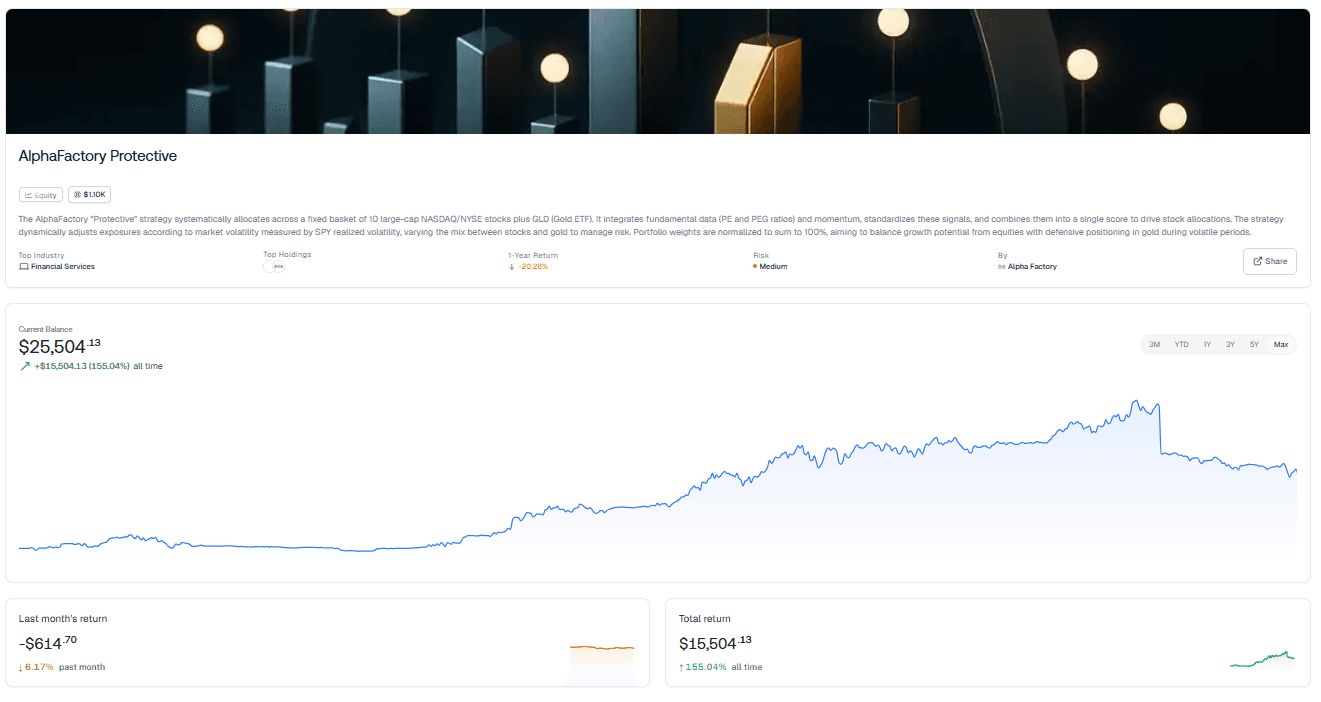
If there's one lesson buried in the Cramer debate, it's this: even the most confident voice on television can't replace a tested, rules-based process. AlphaFactory Protective was built for investors who are done guessing — and ready to let data make the call instead.
Here's what makes it the natural next step:
No hot takes, just signals. The strategy selects from top NASDAQ/NYSE stocks using both 12-month momentum and value scoring — a quantified, repeatable process instead of a gut reaction to a TV recommendation.
Built-in downside protection. Using real-time SPY volatility as a trigger, the strategy automatically shifts allocation toward GLD when markets get turbulent, and rotates back to equities once conditions stabilize — so you're never stuck making that call under pressure.
Removes the emotional trap entirely. No panic-selling during a dip. No chasing a stock because it got hyped on air. The algorithm runs the same disciplined process every single day, regardless of headlines.
Quality-screened exposure. Allocations favor companies backed by genuine financial strength — not momentum hype alone — so you're holding real fundamentals, not just trending names.
Fully automated, zero guesswork. Rebalancing, signal calculation, and risk adjustments all happen behind the scenes. You don't need to track a single ticker or wait for the next “Mad Money” segment to know what to do.
The entire premise of this post is that discretionary picking — however confident, however entertaining — is a fragile foundation for real decisions. AlphaFactory Protective replaces that fragility with a system that's tested, transparent, and built to perform with or without the next hot tip.
Ready to stop reacting to stock picks and start trusting a system?
Deploy AlphaFactory Protective on Surmount today and put your portfolio on autopilot — with the protection built in. →
Frequently Asked Questions
Does Jim Cramer's stock picks actually beat the market?
Independent trackers and academic reviews have generally found mixed-to-underperforming results compared to the S&P 500 over multi-year periods, raising real questions about Cramer stock picks accuracy.
What is the inverse Cramer strategy?
The inverse Cramer strategy is a popular approach where investors bet against his recommendations, based on the theory that his picks have historically underperformed the broader market.
Why is discretionary stock picking considered risky?
Discretionary picking relies on human judgment, which is prone to emotional investing mistakes like panic-selling and chasing hype — unlike a rules-based investing strategy that follows fixed criteria every time.
How does automation help remove emotion from investing?
An automated trading strategy executes pre-tested rules consistently, regardless of headlines or market noise, helping investors avoid the behavioral mistakes that hurt long-term returns.
Should beginners follow stock tips from TV or social media?
Acting on a single source like a TV recommendation carries real risk since there's no way to verify its track record in real time — which is why more investors are exploring algorithmic investing for beginners instead.

Automate any portfolio using data-driven strategies made by top creators & professional investors. Turn any investment idea into an automated, testable, and sharable strategy.